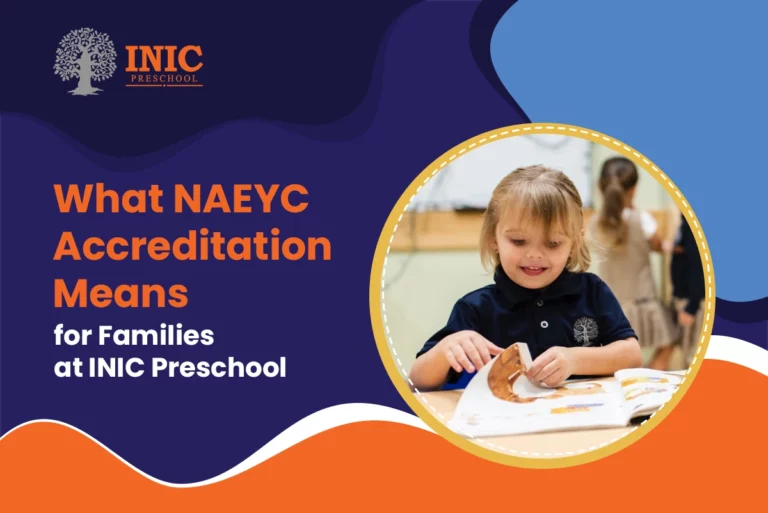
Choosing a NAEYC-accredited preschool in Austin is one of the clearest ways families can feel confident about the quality, safety, and learning standards their child will experience each day. NAEYC accreditation reflects a commitment to developmentally appropriate practices, strong teacher support, and classroom environments designed to help children thrive socially, emotionally, and academically.
At INIC Preschool, these standards guide how we build routines, design learning experiences, and partner with families through consistent communication. For parents, it means more than a credential. It represents thoughtful, research-informed care that supports each child’s growth from the earliest years.
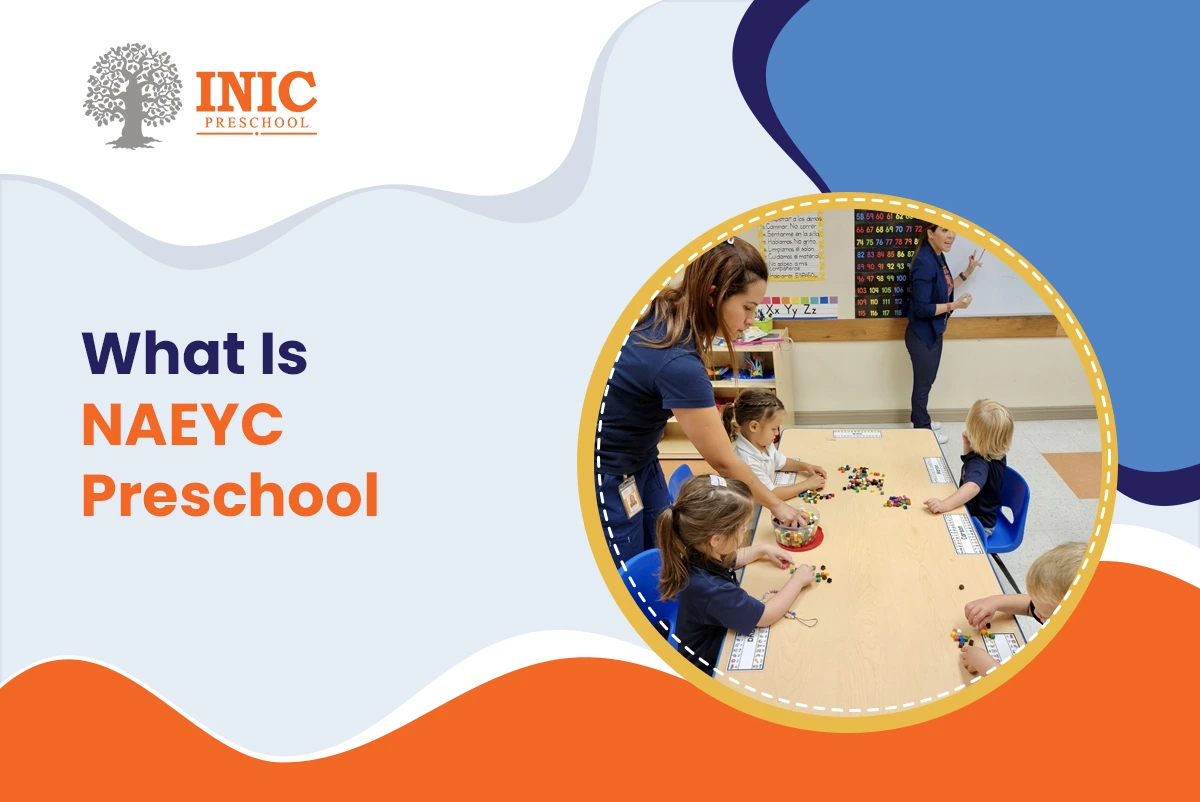 NAEYC is the National Association for the Education of Young Children. When a preschool is connected to NAEYC standards, it means the program is guided by widely recognized expectations for how young children learn best. This includes age-appropriate teaching practices, supportive relationships, and learning environments intentionally designed to help children grow in all areas of development.
 In a large, diverse state like Texas, families often compare many preschool options that can look similar on the surface. NAEYC accreditation in Texas helps create a clear, trusted benchmark by reflecting nationally recognized expectations for how early childhood programs should operate. It is not a one-time label. It is a framework that supports consistent quality through defined standards and a culture of continuous improvement.
High-quality preschool standards are easiest to recognize when you step into a classroom and immediately feel that it is calm, organized, and child-centered. In an accredited setting, the environment is intentionally arranged so children can move confidently through their day, make choices, and stay engaged in meaningful learning. Teachers use routines, materials, and guidance that support independence while still offering the structure young children need.
In a large, diverse state like Texas, families often compare many preschool options that can look similar on the surface. NAEYC accreditation in Texas helps create a clear, trusted benchmark by reflecting nationally recognized expectations for how early childhood programs should operate. It is not a one-time label. It is a framework that supports consistent quality through defined standards and a culture of continuous improvement.
High-quality preschool standards are easiest to recognize when you step into a classroom and immediately feel that it is calm, organized, and child-centered. In an accredited setting, the environment is intentionally arranged so children can move confidently through their day, make choices, and stay engaged in meaningful learning. Teachers use routines, materials, and guidance that support independence while still offering the structure young children need.
What Is NAEYC Preschool
NAEYC is the National Association for the Education of Young Children. When a preschool is connected to NAEYC standards, it means the program is guided by widely recognized expectations for how young children learn best. This includes age-appropriate teaching practices, supportive relationships, and learning environments intentionally designed to help children grow in all areas of development.
Why This Matters During the Early Years
Early childhood is a critical period for building the foundation children rely on in kindergarten and beyond. NAEYC-aligned practices prioritize more than academics alone. They support the full picture of readiness, including communication, independence, emotional regulation, and positive peer interactions. These skills develop through daily routines, hands-on learning, and meaningful guidance from consistent, well-prepared educators.What Families Typically See in a NAEYC Aligned Classroom
While every school has its own approach, families often notice a few shared qualities when a program follows NAEYC standards:- Intentional teaching that meets children at their developmental stage
- Safe, well-organized classrooms with clear routines and child-focused spaces
- Learning through play and exploration is supported by teacher guidance
- Respectful, responsive caregiving that builds trust and confidence
- Ongoing family communication so parents feel informed and supported
Why It Can Be a Helpful Decision Tool for Parents
Parents often compare preschools by looking at facilities, schedules, and tuition. NAEYC standards add another important layer by helping families evaluate the quality of teaching and the overall learning experience. For many families, choosing a preschool aligned with NAEYC standards is a way to feel confident that their child is learning in an environment that supports both growth and well-being.Why Accreditation Matters at the State Level
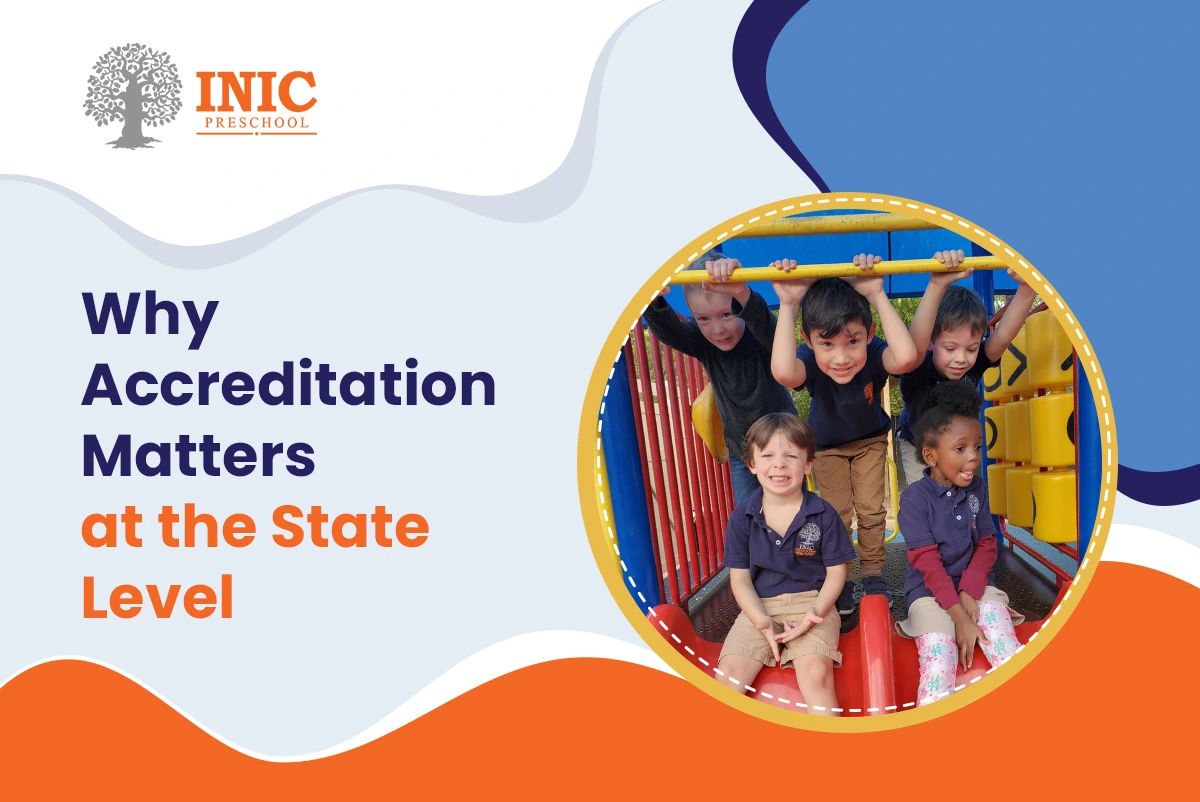 In a large, diverse state like Texas, families often compare many preschool options that can look similar on the surface. NAEYC accreditation in Texas helps create a clear, trusted benchmark by reflecting nationally recognized expectations for how early childhood programs should operate. It is not a one-time label. It is a framework that supports consistent quality through defined standards and a culture of continuous improvement.
What “Accountability” Looks Like in Practice
NAEYC expectations emphasize systems, not just good intentions. Accredited programs are guided to evaluate what they do, document how children are supported, and strengthen practices over time. Accountability often shows up in areas such as:- Teaching Practices: Learning experiences are developmentally appropriate, intentional, and responsive to children’s needs.
- Health and Safety: Environments are designed to protect children’s well-being with clear procedures and consistent routines.
- Staff Preparation: Educators are supported through training, coaching, and professional development that improve classroom quality.
- Family Partnerships: Communication is treated as part of the educational experience, not an extra step.
How Consistency Benefits Children and Families
For children, consistent quality means predictable routines, trusted relationships, and learning spaces that support confidence and independence. For families, it provides clarity. Parents want to know that expectations are not changing from classroom to classroom or year to year. A program shaped by NAEYC standards is built to be reliable, with systems that support both daily excellence and long-term growth.How This Connects to INIC Preschool in Austin
At INIC Preschool, quality and accountability are reinforced through strong standards and measurable milestones. Our South Austin campus recently earned Texas Rising Star 4-Star Certification, an important recognition of program quality. While our Round Rock campus is not yet certified, we are actively moving through the certification process and maintain alignment through the same curriculum and teacher training model used at South Austin. This consistency supports families who value stable expectations, clear communication, and a learning environment that helps children thrive.A Classroom Designed With Purpose
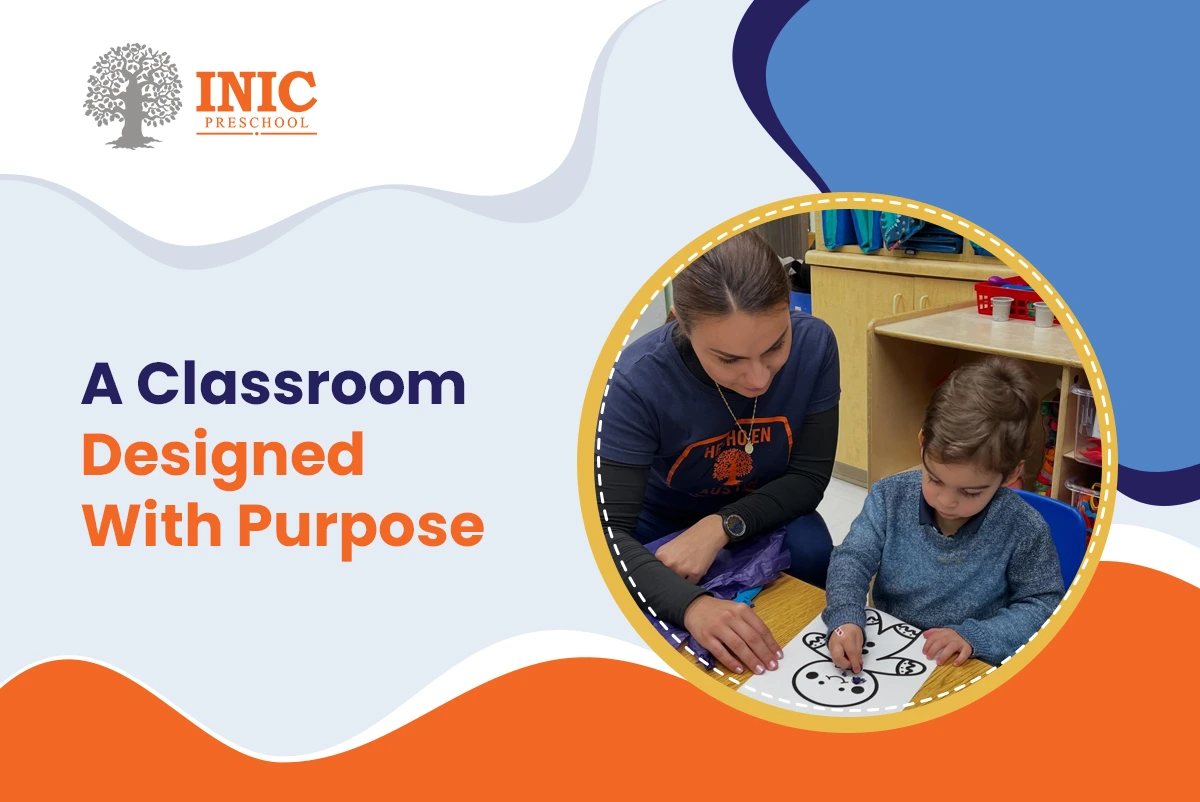 High-quality preschool standards are easiest to recognize when you step into a classroom and immediately feel that it is calm, organized, and child-centered. In an accredited setting, the environment is intentionally arranged so children can move confidently through their day, make choices, and stay engaged in meaningful learning. Teachers use routines, materials, and guidance that support independence while still offering the structure young children need.
Teaching That Supports the Whole Child
Families can expect learning experiences that are developmentally appropriate and carefully planned. Rather than focusing solely on early academics, accredited classrooms emphasize well-rounded growth, including language, social skills, physical development, and problem-solving. Children learn through hands-on activities, guided play, small group work, and daily opportunities to practice real-life skills. In many accredited classrooms, quality teaching includes:- Clear daily routines that build confidence and reduce stress
- Open-ended activities that encourage curiosity and creativity
- Warm, responsive teacher interactions that support emotional security
- Age-appropriate expectations that honor each child’s pace
- Learning goals that include social-emotional development and self-help skills