

How To Choose The Right Private Education Program And Compare Your Best Local Options
How to choose a private education program starts with understanding what your child needs most and how a school supports that growth in daily practice. Begin by clarifying your priorities, such as language immersion, academic foundations, social-emotional development, safety, and communication.
Then compare local options by reviewing program structure, teacher qualifications, classroom environment, and how progress is measured and shared. A strong private program should offer consistency, clear expectations, and a supportive culture that helps children feel secure while they learn. With the right criteria, you can make confident comparisons and select a program that fits your family.
What To Look For In A Private School Program
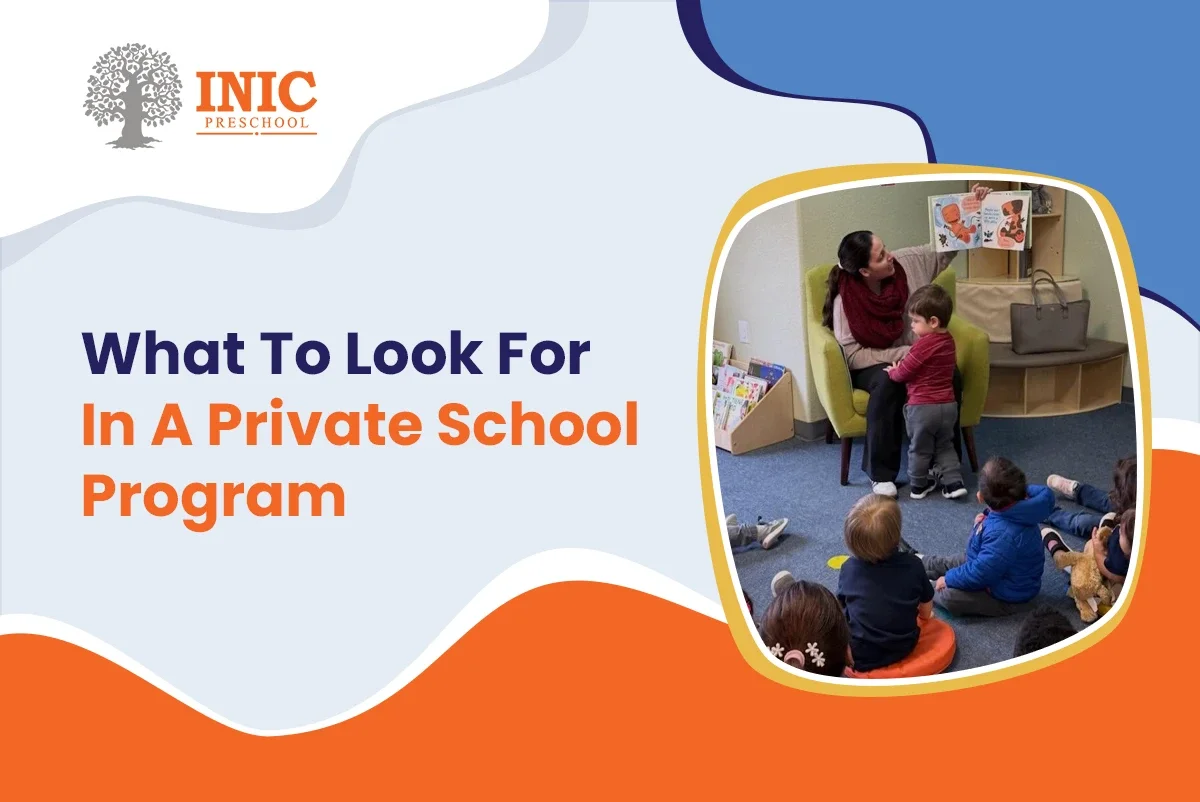
Start by identifying what matters most for your child right now and what will support steady progress over time. Consider learning style, temperament, and daily care needs. Clarify non-negotiables, including the schedule, location, and communication expectations.
Review Curriculum, Teaching Approach, And Daily Structure
Look for a program with a clear learning and development plan, not a collection of activities. Ask how the day is structured and how skills are built week to week. Strong programs explain how they support early literacy, math readiness, language development, creativity, and executive function through intentional routines.
Evaluate Teacher Qualifications, Training, And Support
Teachers shape the quality of a private program more than any brochure ever could. Confirm that staff are background checked, trained in child development, and supported with ongoing professional development. Ask how the program coaches teachers, maintains consistency across classrooms, and handles staffing coverage.
Assess Class Size, Ratios, And Individual Attention
A great classroom balances group learning with individual guidance. Smaller ratios often allow teachers to notice early challenges, personalize support, and communicate clearly with families. Ask how teachers track progress and how often families receive updates.
Confirm Safety Standards, Licensing, And Campus Procedures
Safety practices should be specific, visible, and consistent. Review pick-up procedures, visitor policies, emergency preparedness, and health guidelines. If the program is licensed, confirm what that means in day-to-day operations.
Busy Days with Meaningful Activity
Quality programs keep children engaged with purposeful, age-appropriate activities throughout the day. These planned movements - often called transitions - help maintain focus and energy. Ask for a sample preschool classroom schedule to see whether children experience regular transitions or spend long stretches in the same place. Look for a preschool and daycare that has regular transitions throughout the school and even to various stations within the same classroom.
Quick Checklist For Tours
Written curriculum or learning framework with age-appropriate goals
Predictable routines that support independence and social skills
Qualified teachers with ongoing training and strong supervision
Healthy ratios, clean classrooms, and clear supervision standards
Transparent communication, including progress updates and policies
Ask for a sample schedule with purposeful transitions
When these elements align, you are more likely to find a private school program that supports learning, confidence, and long-term readiness.
Private School Program Comparison: How To Evaluate Local Options
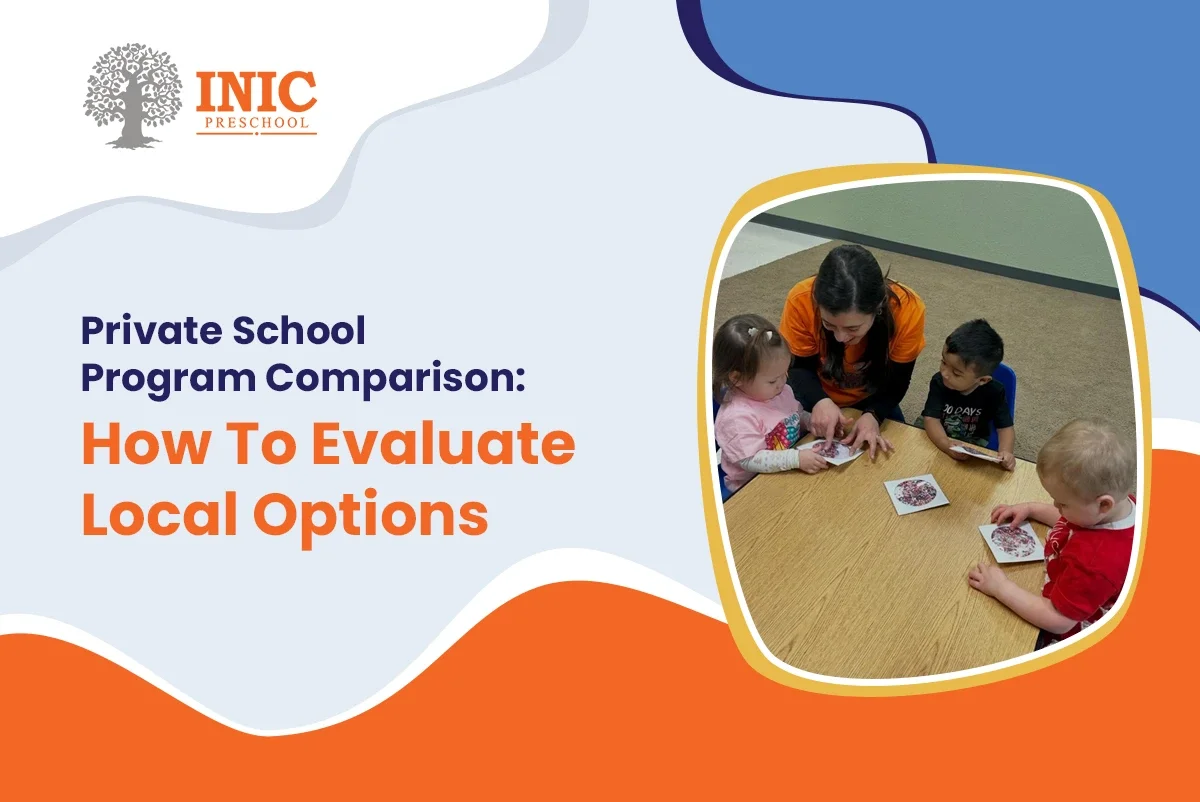
Begin with what the program is preparing children to do next. Ask how the school defines readiness for kindergarten or the next grade level, and what skills they prioritize across academics, social-emotional growth, and independence. Strong programs can describe expected outcomes by age and explain how they monitor progress throughout the year.
Look At Communication Practices And Family Transparency
A clear communication system helps families stay informed, and children remain supported. Compare how often updates are shared, what is included, and how quickly concerns are addressed. Look for consistent touchpoints such as daily notes, photos, progress summaries, and scheduled conferences. If classroom visibility tools such as live streaming classroom cameras are offered, confirm how access is managed and how privacy is protected.
Review Enrollment Policies, Tuition Details, And What Is Included
When comparing private school programs, clarity matters. Ask for a written breakdown of tuition, registration fees, deposits, and any recurring costs such as uniforms, supplies, or enrichment. Confirm the schedule options, absence policies, and how the program handles transitions, including moving classrooms or entering a new age group.
Cost: Look Beyond Tuition Numbers
Cost is a factor, but it’s a poor decision-maker on its own. Two private schools with similar tuition can deliver very different experiences and outcomes. Compare value, not price.
Programs often vary widely in areas such as:
Teacher qualifications, training, and retention
Student-to-teacher ratios
How clearly and consistently schools communicate with families
Whether meals and snacks are included
Length of the school day and calendar (7am-6pm vs 8am-2pm)
Curriculum design and academic depth
Quality of indoor and outdoor learning environments
Daily structure - are students moving, engaged, and transitioning throughout the day, or spending long stretches in one spot?
To make an apples-to-apples comparison, ask for a detailed explanation of what tuition actually covers, including:
Enrollment or registration fees
Supplies and classroom materials
Uniform requirements
Enrichment or specialty programs
Late pick-up rules and associated fees
The goal isn’t to find the cheapest option - it’s to understand what your tuition truly buys
Consider Schedule Fit, Location Convenience, And Consistency
A high-quality program still needs to fit your household routines. Compare commute time, drop-off and pick-up windows, holiday closures, and how the school supports working families. Consistency is also essential. Ask about teacher continuity, classroom stability, and how the program maintains predictable routines for children.
Use Tours And Observations To Validate Your Shortlist
Tours should confirm what the website promises. During your visit, look for engaged teachers, calm transitions, and purposeful learning materials. Observe how staff speak to children and how children respond. Ask to see a typical daily schedule and a sample of lesson planning.
Simple Comparison Scorecard
Learning framework and measurable progress tracking
Teacher training, supervision, and staff stability
Safety practices, cleanliness, and clear procedures
Communication rhythm and responsiveness
Cost transparency and policy clarity
A thoughtful evaluation process makes it easier to identify the program that aligns with your child's needs and your family's expectations.
Finding The Best Private Education Program Near Me
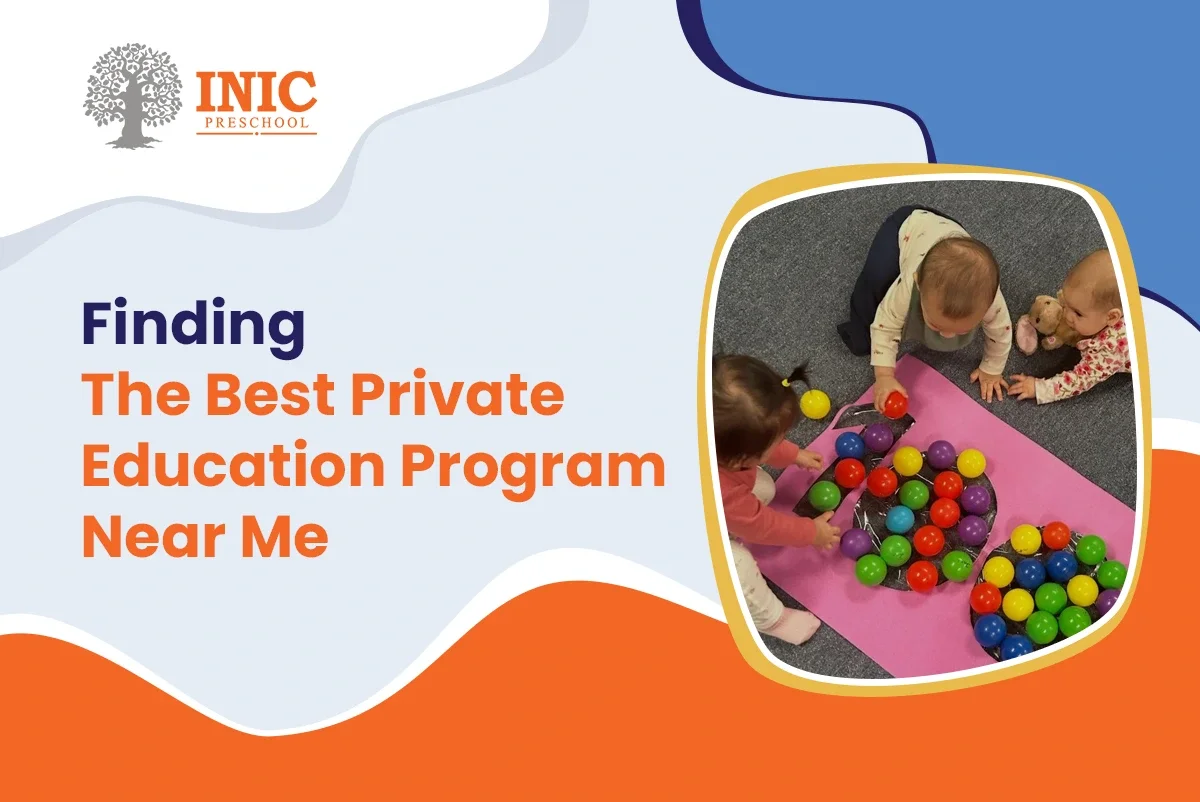
Finding the best private education program near me starts with defining the standards you will not compromise on. Begin with practical needs such as location, schedule, and age range. Then clarify educational priorities, such as language immersion, school-readiness goals, and social-emotional support. This step helps you narrow options quickly and prevents comparison fatigue.
Check Reviews, Reputation, And Community Trust Signals
Online reviews can highlight patterns in communication, teacher consistency, and the school's response to concerns. Look for recent feedback and specific details rather than broad praise. In addition to reviews, ask neighbors, local parent groups, and pediatric offices for recommendations. Consistent word of mouth and long-term enrollment are strong indicators of trust.
Ask The Right Questions During Tours And Follow-Ups
Tours are most effective when you arrive with targeted questions. Ask how teachers support transitions, how progress is tracked, and how the program handles behavior guidance. Request examples of a typical day and how learning goals change by age, such as infant, toddler, and pre k3 or pre k4. If a program offers enrichment such as language, music, or STEAM, ask how it is integrated into the weekly routine.
High-Impact Tour Questions
How do you measure growth and share progress with families?
What training do teachers receive each year?
What are your safety and pick-up procedures?
How do you support children who need extra guidance or challenge?
What does communication look like day to day and week to week?
Evaluate Culture, Values, And Long-Term Fit
Beyond curriculum, a strong program should feel orderly, supportive, and child-centered. Observe the teacher's tone, classroom organization, and how children are engaged. A healthy culture includes consistent expectations, warm guidance, and a team approach across classrooms. If mission and values are emphasized, look for proof in daily routines and staff behavior.
Make A Final Decision With A Clear Comparison Checklist
After tours, compare notes using a consistent format. Rate each program on learning approach, teacher quality, safety, communication, and overall fit. Review policies and costs one more time, then consider your child's comfort level during the visit. A clear checklist reduces stress and helps you choose a program you can commit to with confidence.
How To Make Your Final Choice With Confidence
After touring and researching, select the top programs that meet your essential criteria. Keep the shortlist small so you can evaluate each option with focus. Review your original priorities and confirm that each finalist aligns with your child's developmental needs, your family schedule, and your expectations for communication and safety.
Compare Notes From Tours And Observations
Use the same categories for every school to keep the comparison fair. A simple worksheet or notes page can help you see differences quickly. Consider rating each area on a 1-5 scale and adding a few supporting details.
Suggested Comparison Categories
Curriculum and learning approach
Teacher quality and classroom leadership
Class size, ratios, and supervision
Safety procedures and cleanliness
Family communication and transparency
Policies, tuition clarity, and what is included
If one program is strong across every category but costs more, evaluate what is driving the price and whether those features directly support your child's experience.
Align The Program Choice With Your Family Timeline
Timing can influence availability. Confirm start dates, waitlists, and required enrollment steps. Ask about transition support, including how the first week is structured and how teachers support children's adjustment. If your child will be moving classrooms soon, ask how the handoff is handled and how information is shared between teachers.
Prepare For A Smooth Start And Early Adjustment
Once you choose a program, set your child up for a steady transition. Review routines at home, such as consistent wake times, simple independence skills, and calm drop-off habits. Share key details with the school, including allergies, comfort strategies, and any developmental concerns. A strong partnership begins with clear information and shared expectations.
Before The First Day
Confirm required forms, supplies, and dress expectations
Review illness policies and daily schedule
Establish a predictable morning routine
Decide on a consistent drop-off plan
Make The Decision, Then Commit With Clarity
Your final choice should feel supported by evidence, not pressure. If the program communicates clearly, demonstrates consistent safety and care, and aligns with your priorities, you can move forward with confidence. After enrollment, stay engaged through regular check-ins, and allow a reasonable adjustment period as your child builds trust and comfort in a new setting.
Conclusion
Choosing the right private education program is a decision that benefits from clear priorities, careful comparisons, and thoughtful observations. When you focus on teacher quality, curriculum structure, safety practices, and consistent communication, you can compare local options with confidence and select a program that supports both learning and well-being. A strong school will be transparent in its policies, intentional in its approach, and steady in how it guides children through daily routines and long-term development.
To schedule a tour and learn more about INIC, call (512) 435-7868 or visit https://inic-edu.com/contact-tours.