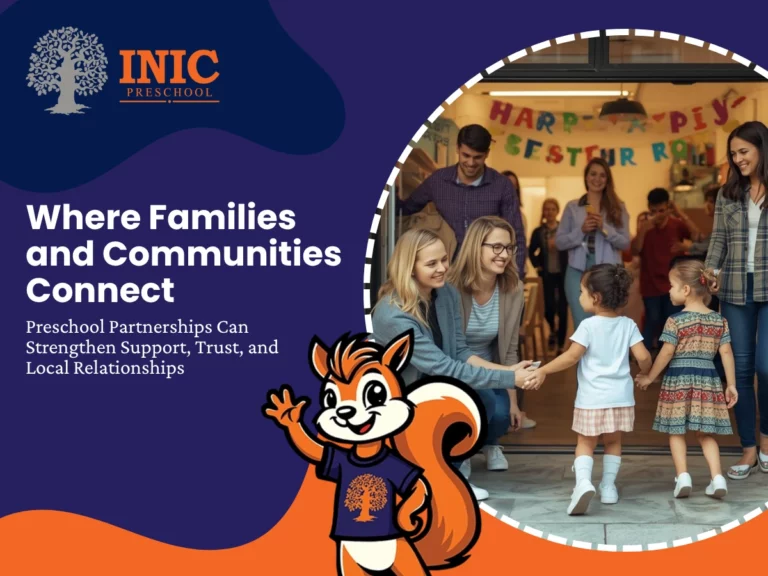
Community partnerships in early childhood education help create stronger support systems for children, families, and the neighborhoods they call home. When early education programs build meaningful relationships with local organizations, they do more than expand resources. They create a connected network that supports learning, family well-being, and long-term community growth. For schools that value both educational excellence and community responsibility, these partnerships are a natural extension of their mission.
At INIC South Austin and Round Rock, that commitment includes monthly support for the Central Texas Food Bank, with $200 donated each month to help provide 600 additional meals. This kind of local collaboration reflects how early education programs can serve both families and deliver a more engaged local community.
Building Stronger Connections Through Community Engagement in Early Education
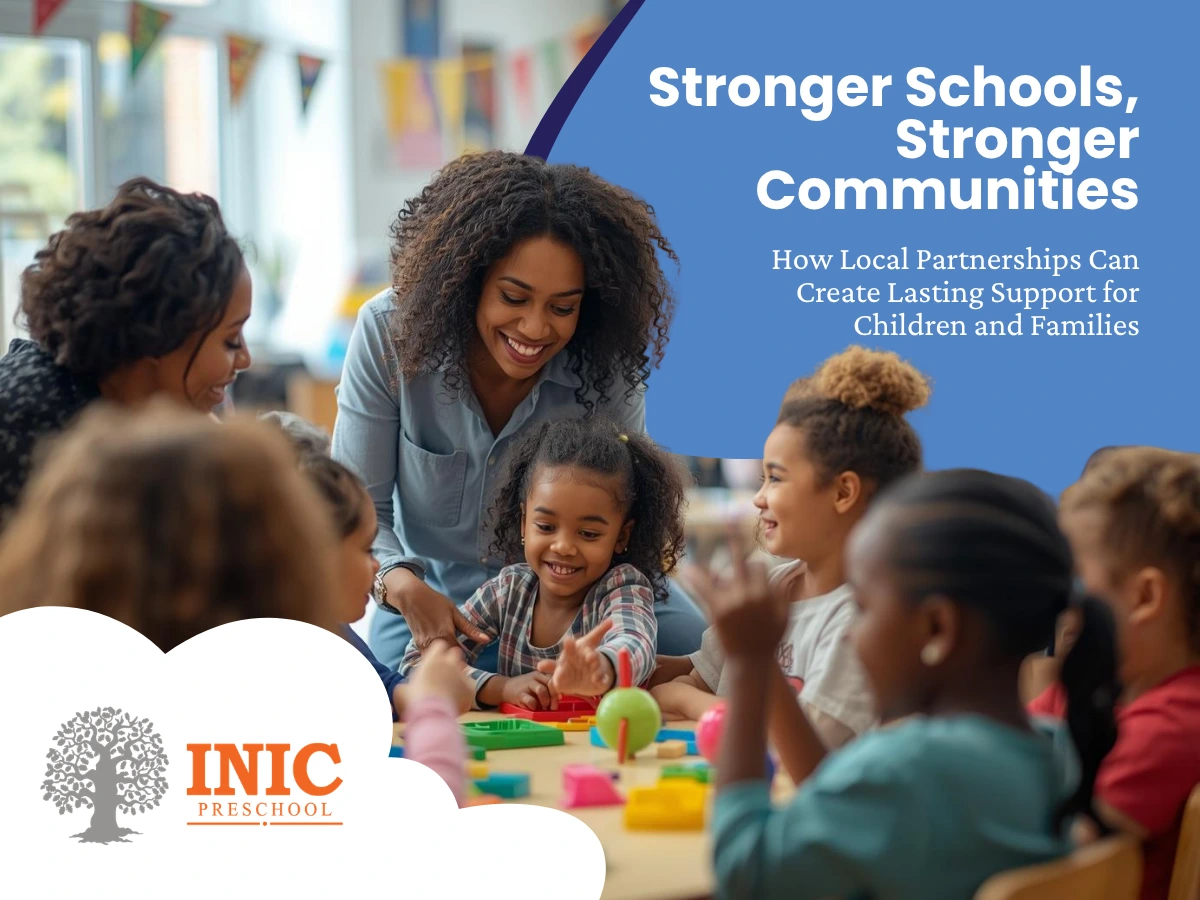
Community engagement in early education helps create stronger relationships between schools, families, and the communities that surround them. When engagement is approached with purpose, it becomes more than participation in occasional events. It becomes an ongoing commitment to connection, trust, and shared responsibility for helping children thrive.
Creating Meaningful Opportunities for Families
Families are more likely to feel connected when engagement is accessible, welcoming, and relevant to their daily lives. Early education programs can strengthen these connections by creating opportunities that invite families into the school community in thoughtful ways, such as:
- Family-centered learning events
- Community service projects
- Resource-sharing initiatives
- Partnerships with local organizations
These efforts can help families feel informed, included, and valued as active participants in their child’s early learning experience.
Strengthening Relationships Beyond the Classroom
Community engagement also allows schools to build relationships that extend beyond their own walls. By connecting with nonprofits, libraries, health organizations, and local leaders, early education programs can become part of a broader support network for children and parents. These relationships often lead to shared events, expanded resources, and a stronger sense of collective care.
When this engagement is consistent, it shows families that the school is invested not only in education, but also in the long-term well-being of the community. That sense of purpose can deepen trust and strengthen the school’s role as a reliable partner.
Encouraging a Culture of Belonging
Strong community engagement helps create an environment where children and families feel that they belong. It reinforces the idea that early education is connected to something larger than the classroom alone. It is part of a community effort to support growth, learning, and family well-being.
Over time, this kind of engagement can strengthen school culture, foster lasting partnerships, and build positive momentum across the entire community. For early education programs, building these connections is one of the most meaningful ways to serve both children and the families who care for them.
The Value of Preschool Community Partnerships for Families and Neighborhoods
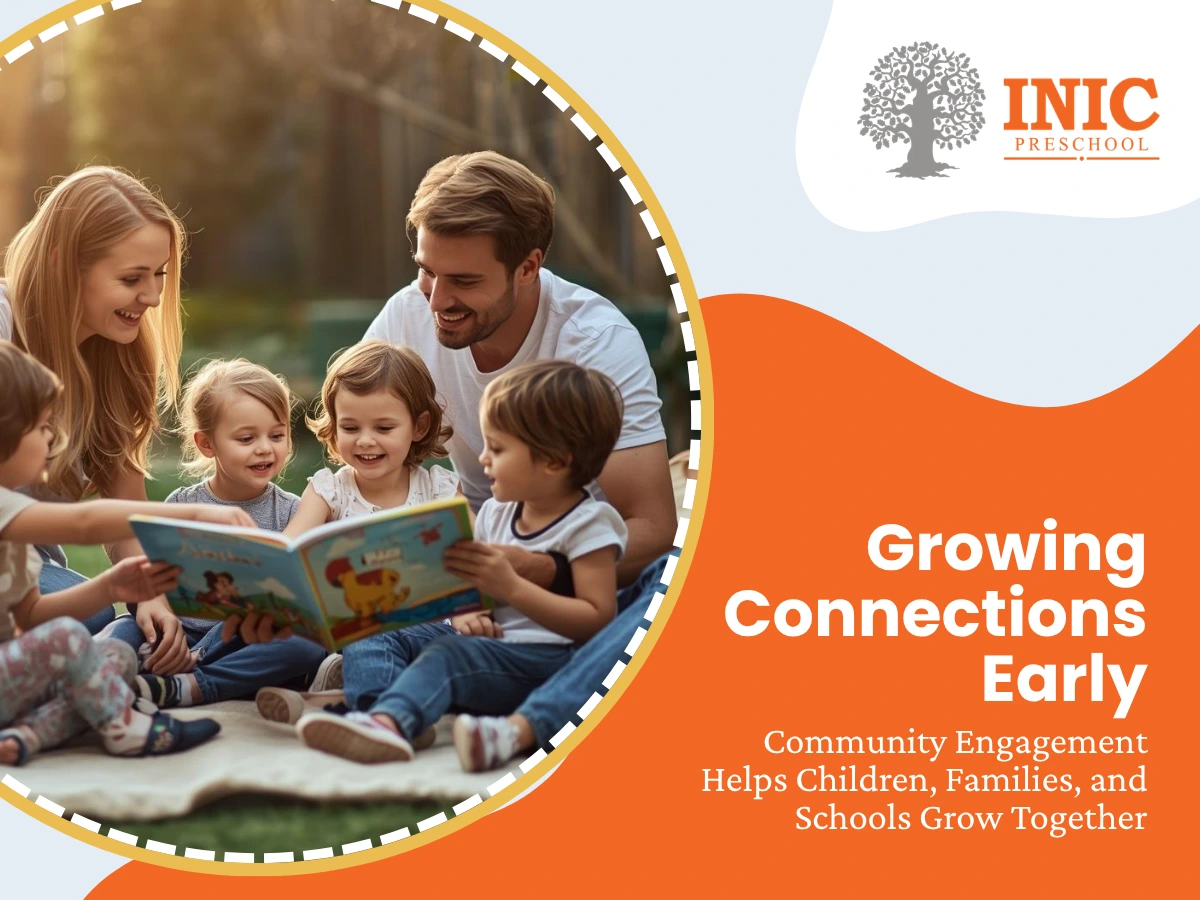
Preschool community partnerships can create meaningful value that extends well beyond the classroom. When early learning centers build relationships with trusted local organizations, families gain access to broader support, and neighborhoods benefit from stronger connections among the people and services that help children thrive. These partnerships reflect a shared investment in early childhood and in the long-term health of the community.
Helping Families Feel More Supported
Families often need more than a high-quality classroom. They also benefit from access to practical resources, trusted information, and a sense of connection. Strong community partnerships can help preschool programs provide support in areas such as:
- Family wellness and nutrition
- Educational events and local resources
- Community service opportunities
- Connections to nonprofit and family support organizations
When these resources are introduced through a preschool environment, families may feel more comfortable engaging with them and more confident seeking support when needed.
Strengthening Neighborhood Connections
Preschools are often deeply rooted in the communities they serve. Through thoughtful partnerships, they can become active contributors to neighborhood well-being. Collaborations with nonprofits, libraries, food banks, and community groups can create opportunities for families to participate in something larger than their individual school experience.
This kind of connection helps build trust, encourage involvement, and foster a stronger sense of belonging. It also allows schools to model values such as compassion, responsibility, and community care in ways that are visible and meaningful.
Creating a Lasting Local Impact
The value of these partnerships extends beyond a single event or program. Over time, consistent collaboration can strengthen the relationship between schools and the families they serve while also supporting broader community goals. For example, when early education programs partner with local nonprofits, they help demonstrate that investing in children also means investing in the environments they inhabit.
In this way, preschool partnerships can support children, uplift families, and help create neighborhoods that feel more connected, responsive, and resilient.
How Schools Partnering With Nonprofits Can Expand Family Support
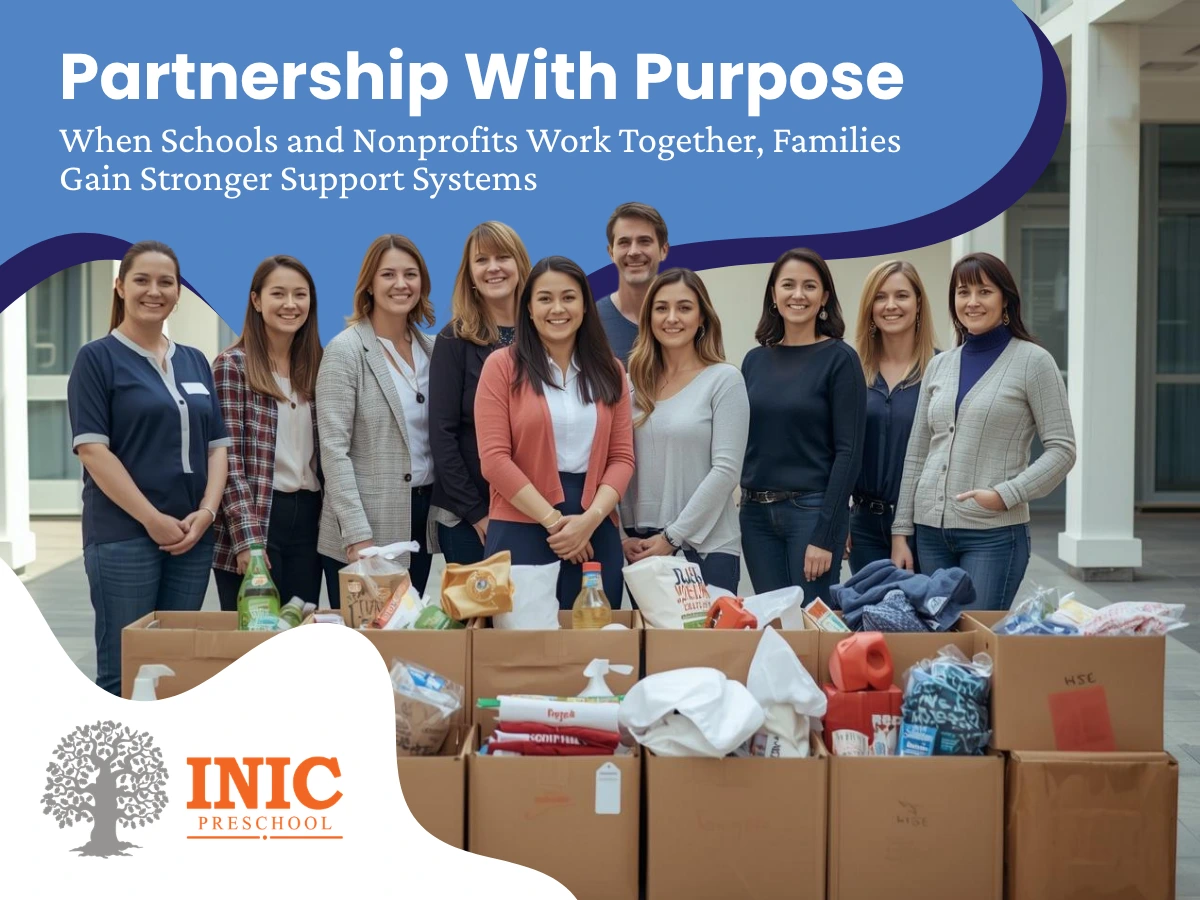
Schools partnering with nonprofits can create a broader circle of care for families during the early childhood years. While strong teaching remains at the center of a quality program, nonprofit partnerships can help schools extend support in ways that address real family needs beyond the classroom. This can make early education feel more connected, responsive, and community-centered.
Meeting Practical Needs With Compassion
Nonprofit organizations often provide resources that directly support family stability and well-being. When schools build thoughtful relationships with these groups, they can help connect families to services that may otherwise feel difficult to access. Depending on the partnership, support may include:
- Food assistance and nutrition resources
- Family education and parent support programs
- Access to community events and outreach services
- Opportunities to participate in service-focused initiatives
These connections can help families feel seen, supported, and valued.
Building Trust Through Shared Values
The strongest nonprofit partnerships are built on a shared commitment to children and families. When a school aligns with organizations that reflect its values, the relationship feels purposeful rather than promotional. This can strengthen trust with current and prospective families, especially when support is consistent and clearly tied to community well-being.
For example, when an early education program contributes to a local nonprofit effort, it demonstrates that care for children also includes care for the families and neighborhoods around them. At INIC South Austin and Round Rock, monthly donations to Central Texas Food Bank help provide 600 additional meals each month, reflecting a meaningful commitment to supporting the wider community.
Creating a Broader Impact for Families
When schools and nonprofits work together, the impact can reach far beyond one initiative. These partnerships can encourage family engagement, strengthen community awareness, and create a more supportive environment for children to grow. Over time, they also help position early education programs as trusted community partners that understand family needs and take meaningful action.
Why Local Partnerships Matter in Early Childhood Programs
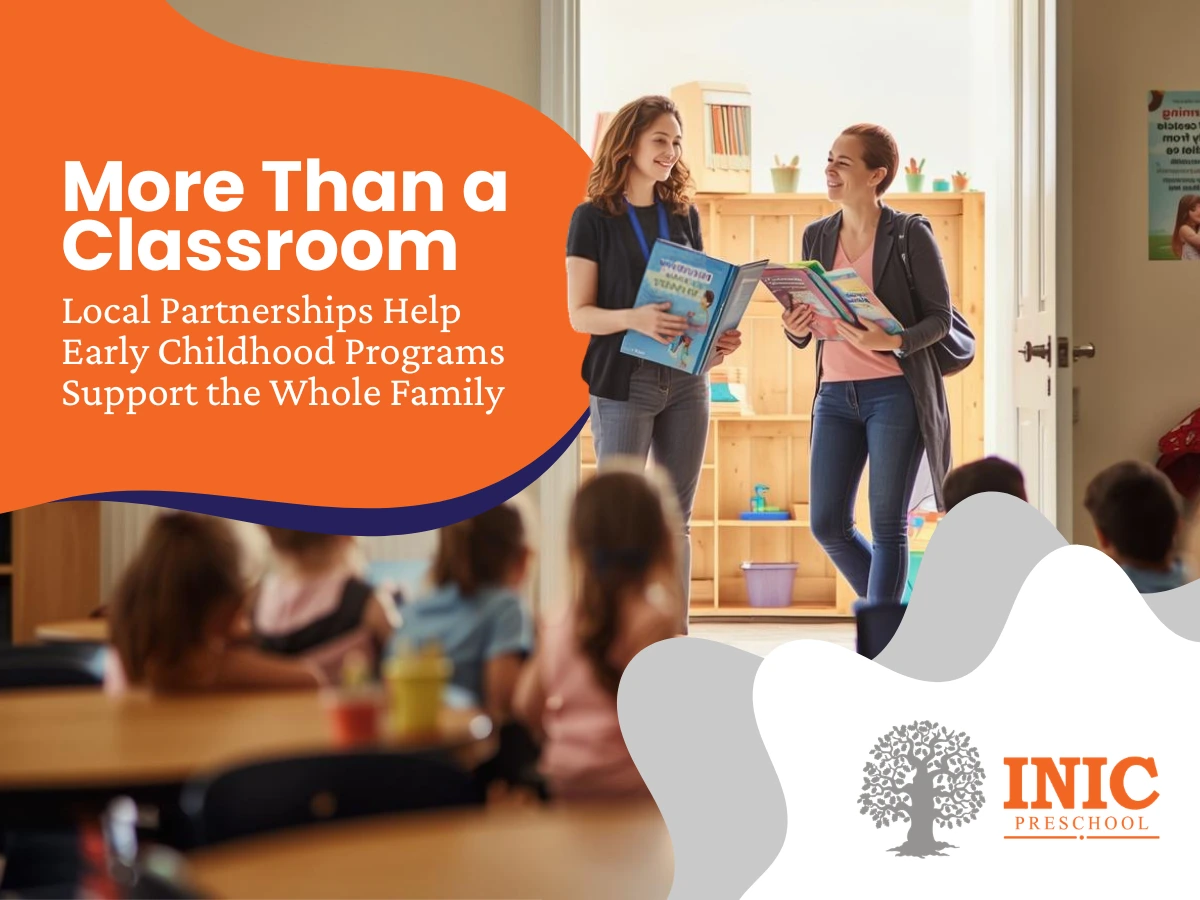
Local partnerships help early childhood programs become more than places of education. They become trusted community anchors that support the full well-being of children and families. When a center builds relationships with nearby organizations, it can respond more effectively to everyday family needs while also enriching the learning experience.
Supporting Children Beyond the Classroom
Young children thrive when their learning environment is connected to the world around them. Partnerships with libraries, health providers, local businesses, and community organizations can introduce valuable experiences that support development in meaningful ways. These connections may help programs offer:
- Enrichment activities and special events
- Access to health, nutrition, or wellness resources
- Opportunities for family learning and support
- A stronger sense of belonging within the local community
These efforts can strengthen both school readiness and social-emotional growth.
Creating a Stronger Support System for Families
Families often benefit when early education centers act as a bridge to trusted local resources. A partnership can make it easier for parents to learn about services, receive practical support, and feel more connected to their community. This matters especially in early childhood, when families are building routines, seeking guidance, and making important decisions about their child’s development.
For many programs, local partnerships also reflect a deeper commitment to service. Community involvement can take many forms, from hosting educational events to supporting local causes that make a measurable difference for families. When early education centers invest in the well-being of the broader community, they demonstrate values that families can trust.
Strengthening the Community as a Whole
Strong early education programs contribute to stronger communities. By working alongside local partners, schools can help create a culture of care, collaboration, and shared responsibility. These relationships show that supporting young children is not the work of a single organization. It is a community effort with lasting value.
Conclusion
Local partnerships give early education programs an opportunity to make a lasting impact far beyond the classroom. By building thoughtful relationships with nonprofits, community organizations, and local resources, schools can create stronger support systems for children, families, and the neighborhoods they serve. These partnerships reflect a deeper commitment to care, connection, and long-term community well-being. When early education centers invest in both learning and local collaboration, they help create environments where children can grow within a stronger, more supported community.
To learn more about INIC, schedule a tour today at https://inic-edu.com/contact-tours or call (512) 435-7868.