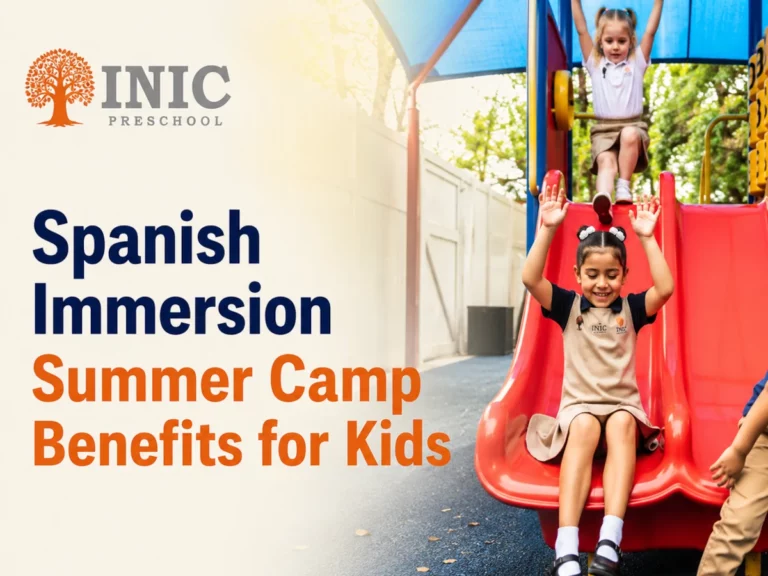
The benefits of a Spanish immersion summer camp for kids go far beyond filling the summer months with activities. For young children, a well-designed immersion program helps maintain the language skills they worked hard to build during the school year. Regular exposure to Spanish through songs, play, conversations, and hands-on learning naturally and engagingly supports stronger retention.
It also helps children stay confident using vocabulary, listening skills, and everyday expressions in real-life settings. For families who want continued progress during the break, a Spanish immersion summer camp can provide both meaningful learning and a supportive environment for growth.
Why Language Retention During Summer Matters For Young Children
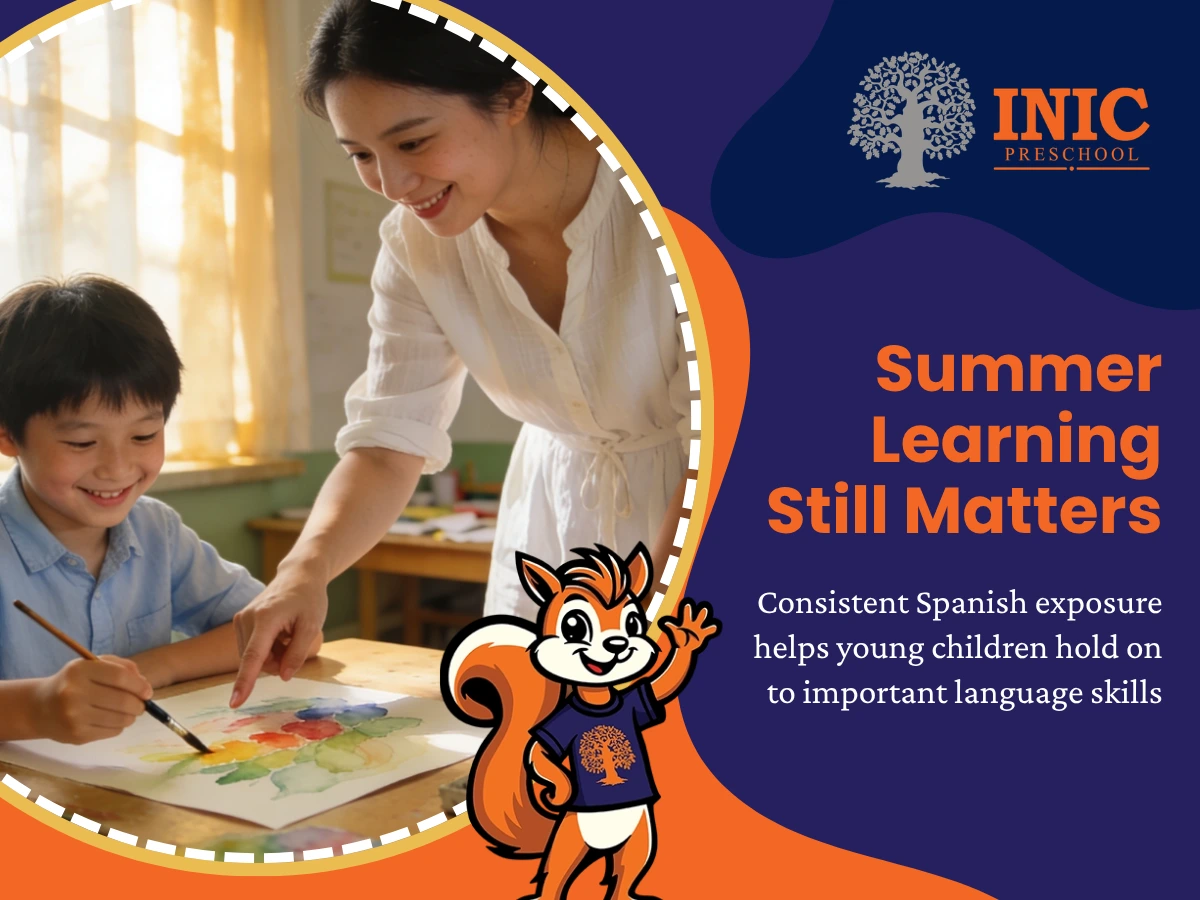
Summer can be a valuable time for rest and family connection, but it can also interrupt the steady language exposure young children need to keep building their skills. When Spanish is not used regularly during the break, children may begin to lose familiarity with vocabulary, listening patterns, and everyday expressions. Supporting retention during the summer helps protect the progress they made during the school year and makes the return to learning feel more natural.
Consistency Helps Young Children Hold On To What They Have Learned
Early language development depends on repetition and routine. Young children learn best when they hear and use language often through songs, stories, play, and simple conversations. A long gap without meaningful Spanish exposure can make it harder for them to recall words and respond with confidence. Continued practice during the summer keeps the language active in a way that feels natural and age-appropriate.
Summer Gaps Can Affect Confidence And Comprehension
Language retention is not only about remembering vocabulary. It also affects how comfortable children feel when listening, understanding, and speaking. During a long summer break, children may:
- Forget familiar words and phrases
- Become less confident speaking out loud
- Need more time to process what they hear
- Feel less prepared when returning to an immersion setting
Even a small decline can make the transition back into the school routine more challenging than it needs to be.
Retention Creates A Stronger Foundation For Future Growth
When children continue engaging with Spanish over the summer, they are more likely to return with stronger listening skills, better recall, and greater comfort using the language in everyday settings. This ongoing exposure helps preserve momentum rather than forcing children to rebuild it.
Over time, that consistency supports deeper understanding and more confident communication. For families, focusing on language retention during the summer is a practical way to encourage steady progress while giving children a supportive and enriching learning experience.
How To Prevent Language Loss In Preschool Over The Summer
Summer can bring a welcome change of pace, but it can also reduce the regular language exposure preschool children need to keep Spanish fresh in their minds. Because young learners build language through repetition, routines, and meaningful interaction, long breaks without practice may lead to slower recall and reduced confidence. The goal is not to make summer feel like school. Instead, it is to keep Spanish present in simple, enjoyable, and age-appropriate ways.
Keep Spanish Part Of Everyday Routines
One of the most effective ways to support retention is to include Spanish in daily moments. Children respond well when language feels natural and connected to real life. Families can reinforce learning through:
- Songs during car rides
- Story time with Spanish books
- Simple mealtime words and phrases
- Counting, colors, and greetings during play
These small habits can make a meaningful difference over time.
Choose Activities That Encourage Active Use
Preschool children retain more when they hear and use language together. Rather than focusing only on memorization, it helps to create opportunities for interaction. Play-based activities, group games, art projects, and guided conversations can keep Spanish engaging while supporting listening and speaking skills. A structured summer program can be especially helpful because it gives children regular exposure in a setting designed for participation.
Support Retention With A Consistent Learning Environment
Consistency matters. When children continue hearing Spanish from trusted adults in a warm, encouraging setting, they are more likely to retain what they learned during the school year. A preschool summer experience that includes language-rich routines, social interaction, and hands-on learning can help prevent unnecessary setbacks.
By keeping Spanish active throughout the summer, families can support stronger retention and help children return to the school year with greater confidence, comfort, and readiness to keep growing.
Bilingual Summer Camp Advantages For Early Childhood Development
A bilingual summer camp can offer more than seasonal enrichment. For young children, it creates a supportive space where language learning and early development work together. When Spanish is woven into play, routines, and social interaction, children have the chance to strengthen communication skills while continuing to grow academically, socially, and emotionally. This kind of environment helps keep learning active during the summer months without making it feel rigid or overwhelming.
Language Learning Feels Natural In A Play-Based Setting
Young children learn best when they are engaged, comfortable, and involved in meaningful activities. In a bilingual summer camp, language is often introduced through songs, movement, storytelling, art, and hands-on exploration. This makes Spanish feel like part of the experience rather than a separate lesson. As children hear and use the language throughout the day, they build familiarity that supports long-term understanding.
Bilingual Exposure Supports More Than Vocabulary Growth
The benefits of a bilingual environment often extend into other areas of development. A thoughtfully designed summer camp can help children strengthen:
- Listening and comprehension skills
- Memory and pattern recognition
- Confidence in social communication
- Flexibility in thinking and problem-solving
These skills are important in early childhood and can support future learning across many settings.
Social And Emotional Growth Also Matters
A bilingual summer camp also encourages connection. Children learn alongside peers, follow routines with caring teachers, and practice expressing themselves in a warm, structured environment. That combination can help build confidence, independence, and greater comfort when using a second language. For preschool-aged children, this emotional security is an important part of meaningful learning.
When families choose a bilingual summer camp, they are often supporting more than just language retention. They are giving children an opportunity to keep growing through consistent exposure, guided interaction, and age-appropriate experiences that support the whole child.
How Daily Spanish Exposure Strengthens Listening And Speaking Skills
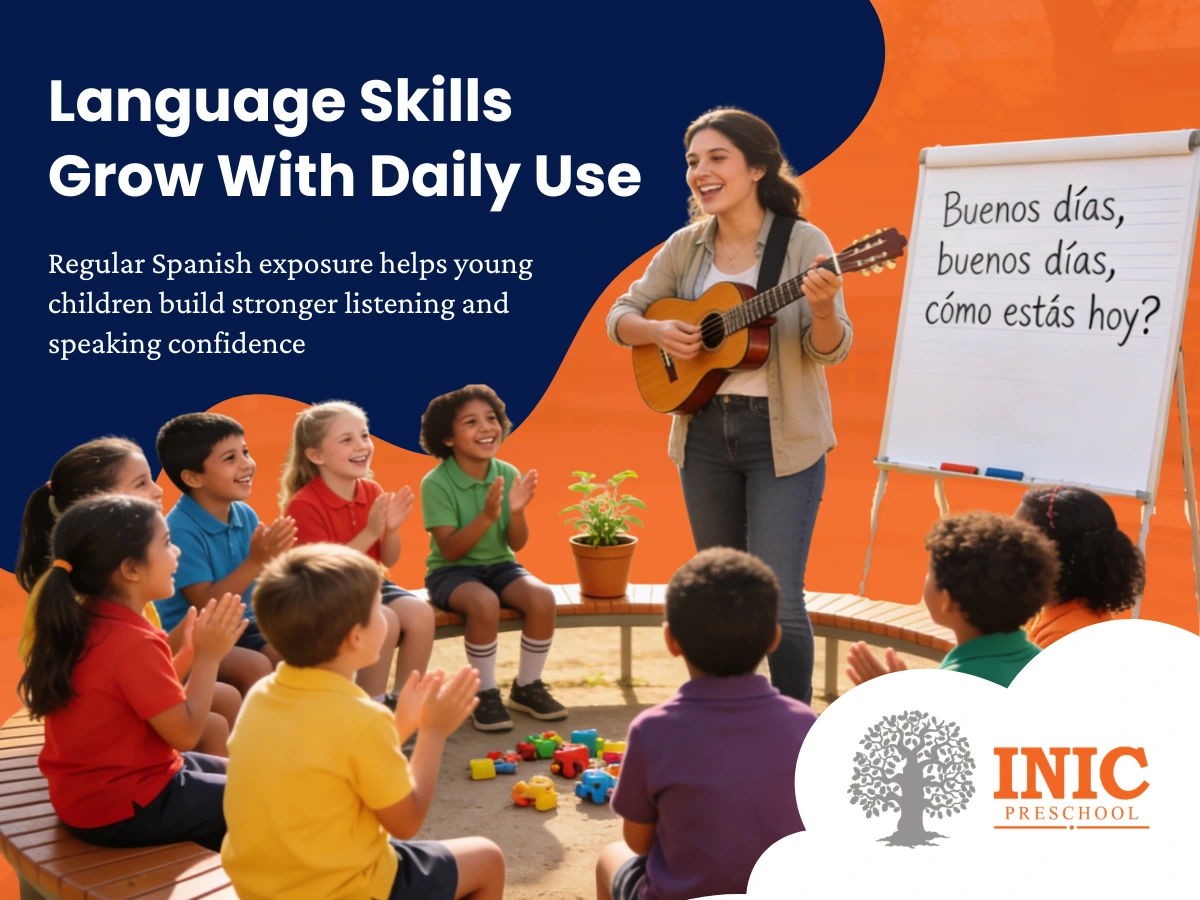
Daily exposure plays an important role in helping young children build strong listening and speaking skills in Spanish. At an early age, language develops through regular interaction rather than occasional practice alone. When children hear Spanish consistently in meaningful, age-appropriate settings, they become more familiar with sounds, sentence patterns, and common expressions. Over time, that repeated exposure helps them understand more, respond more naturally, and feel increasingly confident using the language in everyday moments.
Listening Skills Grow Through Repetition And Context
Young children learn to understand language by hearing it used repeatedly in familiar situations. Daily Spanish exposure during songs, circle time, play, stories, and routines helps children connect words with actions, emotions, and experiences. This kind of repetition strengthens comprehension because children are not only hearing vocabulary, but also learning how language works in context.
As listening skills improve, children begin to:
- Recognize familiar words and phrases more quickly
- Follow simple directions with greater ease
- Understand tone, rhythm, and pronunciation
- Build comfort with longer spoken language over time
These early listening gains create an important foundation for verbal expression.
Speaking Develops When Children Feel Comfortable Using Language
Speaking skills often grow gradually. Children usually begin by repeating words, answering simple questions, and using short phrases before moving into more independent speech. Daily exposure supports this process by providing them with regular opportunities to participate without pressure. When Spanish is part of the everyday environment, children are more likely to speak naturally during play, conversations, and guided activities.
Consistent Practice Supports Long-Term Confidence
Language confidence grows when children feel familiar with what they hear and successful in what they say. Daily Spanish exposure helps reduce hesitation and keeps language active in a way that feels natural rather than forced. For young learners, this steady practice supports clearer communication, stronger comprehension, and greater comfort expressing themselves. Over time, those small daily interactions can make a meaningful difference in how confidently children listen, respond, and speak.
Conclusion
A Spanish immersion summer camp can do more than keep children busy during the break. It can help preserve important language skills, support stronger listening and speaking abilities, and create steady progress during a time when learning routines often change. For young children, consistent exposure in a warm, engaging environment can make a meaningful difference in how naturally and confidently they continue using Spanish. When families choose a summer experience that supports both language retention and early childhood development, they are investing in growth that can carry well beyond the season.
To learn more about INIC’s programs, contact the team at (512) 435-7868 or visit https://inic-edu.com/contact-us/.