Food insecurity and early childhood development are closely connected, especially during the years when children need a steady supply of nutrition to support healthy growth, learning, and emotional well-being. For families with young children, reliable access to nutritious food can influence everything from daily routines to long-term developmental outcomes.
When food security is present, families are often better positioned to support strong habits, stable environments, and positive early learning experiences. This is one reason many early education providers and community organizations work to support family well-being beyond the classroom. At INIC South Austin and Round Rock, that commitment includes monthly support for the Central Texas Food Bank, with $200 donated each month to help provide 600 additional meals.
 Food security for families with young children is important because consistent access to nutritious food supports far more than just physical growth. In the early years, children rely on stable routines and proper nourishment to help build strong foundations for learning, emotional regulation, and overall well-being. When families can depend on regular, healthy meals, daily life often feels more secure, manageable, and supportive for both parents and children.
 Childhood nutrition and learning outcomes are closely connected during the early years, when children are building the physical, cognitive, and emotional foundations that support future growth. Nutritious meals help provide the consistency children need to participate, engage, and respond to the learning experiences around them. When children are well-nourished, they are often better positioned to approach the day with the energy and focus that early education settings depend on.
Understanding how food insecurity affects child development begins with recognizing that early childhood is a period of rapid growth. During these formative years, children depend on consistent nourishment and stable routines to support physical health, emotional well-being, and early learning. When reliable access to food is disrupted, the effects can extend into multiple areas of development and influence a child’s day-to-day experience in meaningful ways.
Early education programs can play an important role in supporting families during the years when children need the most consistent care, structure, and encouragement. While their primary focus is education and development, many programs also serve as trusted partners to parents navigating the demands of work, caregiving, and everyday family life. In this way, early education settings often become a steady source of guidance, connection, and practical support.
Childhood nutrition and learning outcomes are closely connected during the early years, when children are building the physical, cognitive, and emotional foundations that support future growth. Nutritious meals help provide the consistency children need to participate, engage, and respond to the learning experiences around them. When children are well-nourished, they are often better positioned to approach the day with the energy and focus that early education settings depend on.
Understanding how food insecurity affects child development begins with recognizing that early childhood is a period of rapid growth. During these formative years, children depend on consistent nourishment and stable routines to support physical health, emotional well-being, and early learning. When reliable access to food is disrupted, the effects can extend into multiple areas of development and influence a child’s day-to-day experience in meaningful ways.
Early education programs can play an important role in supporting families during the years when children need the most consistent care, structure, and encouragement. While their primary focus is education and development, many programs also serve as trusted partners to parents navigating the demands of work, caregiving, and everyday family life. In this way, early education settings often become a steady source of guidance, connection, and practical support.
Why Food Security for Families With Young Children Is So Important
Food security for families with young children is important because consistent access to nutritious food supports far more than just physical growth. In the early years, children rely on stable routines and proper nourishment to help build strong foundations for learning, emotional regulation, and overall well-being. When families can depend on regular, healthy meals, daily life often feels more secure, manageable, and supportive for both parents and children.
Supporting Healthy Growth in the Early Years
Young children experience rapid development, which makes good nutrition especially important. Reliable access to food helps support:- Physical growth and energy levels
- Brain development during key early stages
- Healthy sleep and daily routines
- Overall wellness and resilience
Reducing Stress for the Whole Family
Food security also affects the broader family environment. When parents do not have to worry as much about how they will provide the next meal, they may have greater capacity to focus on routines, care, and meaningful time with their children. A more stable home environment can help children feel safe and supported, especially during the early childhood years. This is one reason food security should be viewed as both a family issue and a child development issue. The effects reach beyond the plate and into the daily experience of home life.Strengthening the Foundation for Learning
Children learn best when their basic needs are met. Access to dependable nutrition can support attention, participation, and readiness for early learning experiences. It can also create a stronger platform for social and emotional development by supporting more consistent energy, mood, and engagement. For early education programs, understanding the importance of food security is part of understanding the whole child. Supporting families in this area, whether through community partnerships or shared resources, can make a meaningful difference in helping young children grow in healthy, supported environments.The Link Between Childhood Nutrition and Learning Outcomes
 Childhood nutrition and learning outcomes are closely connected during the early years, when children are building the physical, cognitive, and emotional foundations that support future growth. Nutritious meals help provide the consistency children need to participate, engage, and respond to the learning experiences around them. When children are well-nourished, they are often better positioned to approach the day with the energy and focus that early education settings depend on.
Supporting Focus, Energy, and Participation
Young children learn through active engagement. They listen, explore, move, and interact throughout the day, which requires steady energy and physical well-being. Consistent nutrition can help support:- Attention during structured activities
- Energy for movement and play
- Participation in classroom routines
- Greater readiness for social interaction
Building a Stronger Foundation for Development
Nutrition supports more than short-term classroom participation. In early childhood, healthy eating habits and reliable access to food support broader developmental needs that shape how children grow and learn over time. When children receive consistent nourishment, it can help reinforce the stability needed for language development, early problem-solving, and emotional regulation. This is especially important because learning in the early years is deeply connected to the whole child. Growth does not happen in isolated categories. Physical wellness, emotional security, and cognitive development often go hand in hand.Why This Matters for Early Education Programs
Early education providers often see firsthand how a child’s well-being affects the learning experience. When basic needs are supported, children may be more prepared to engage in classroom activities, build relationships, and benefit from daily instruction. This is one reason many schools and community partners recognize nutrition as part of a larger conversation about school readiness and family support. By understanding the connection between nutrition and learning outcomes, early education programs can take a more informed and compassionate approach to supporting young children and the families who care for them.Understanding How Food Insecurity Affects Child Development
 Understanding how food insecurity affects child development begins with recognizing that early childhood is a period of rapid growth. During these formative years, children depend on consistent nourishment and stable routines to support physical health, emotional well-being, and early learning. When reliable access to food is disrupted, the effects can extend into multiple areas of development and influence a child’s day-to-day experience in meaningful ways.
Effects on Physical and Cognitive Growth
Young children need regular, nutritious meals to support healthy development. When food insecurity is present, it can make it more difficult to maintain the consistency children need during these important years. This may affect areas such as:- Energy and daily stamina
- Focus during learning activities
- Healthy growth and overall wellness
- Readiness to participate in routines
Impact on Emotional Well-Being
Food insecurity can also affect the emotional environment surrounding a child. When families are under stress, meeting basic needs, children may feel that tension even if they do not fully understand it. A less stable environment can influence a child’s sense of security, comfort, and emotional regulation. This does not mean every child responds in the same way, but it does highlight how closely connected basic needs are to emotional development. In early childhood, feelings of safety and consistency play an important role in helping children build confidence and resilience.Why Early Support Matters
The effects of food insecurity are not only about immediate hunger. They also address broader developmental conditions that help children thrive. This is why early support matters so much. When families have access to community resources, compassionate partnerships, and practical support, children are more likely to benefit from stable environments that promote healthy growth. For early education programs, understanding these challenges can help shape a more responsive approach to family support, one that considers the whole child and the needs of the family as a whole.The Role of Early Education Programs in Supporting Families
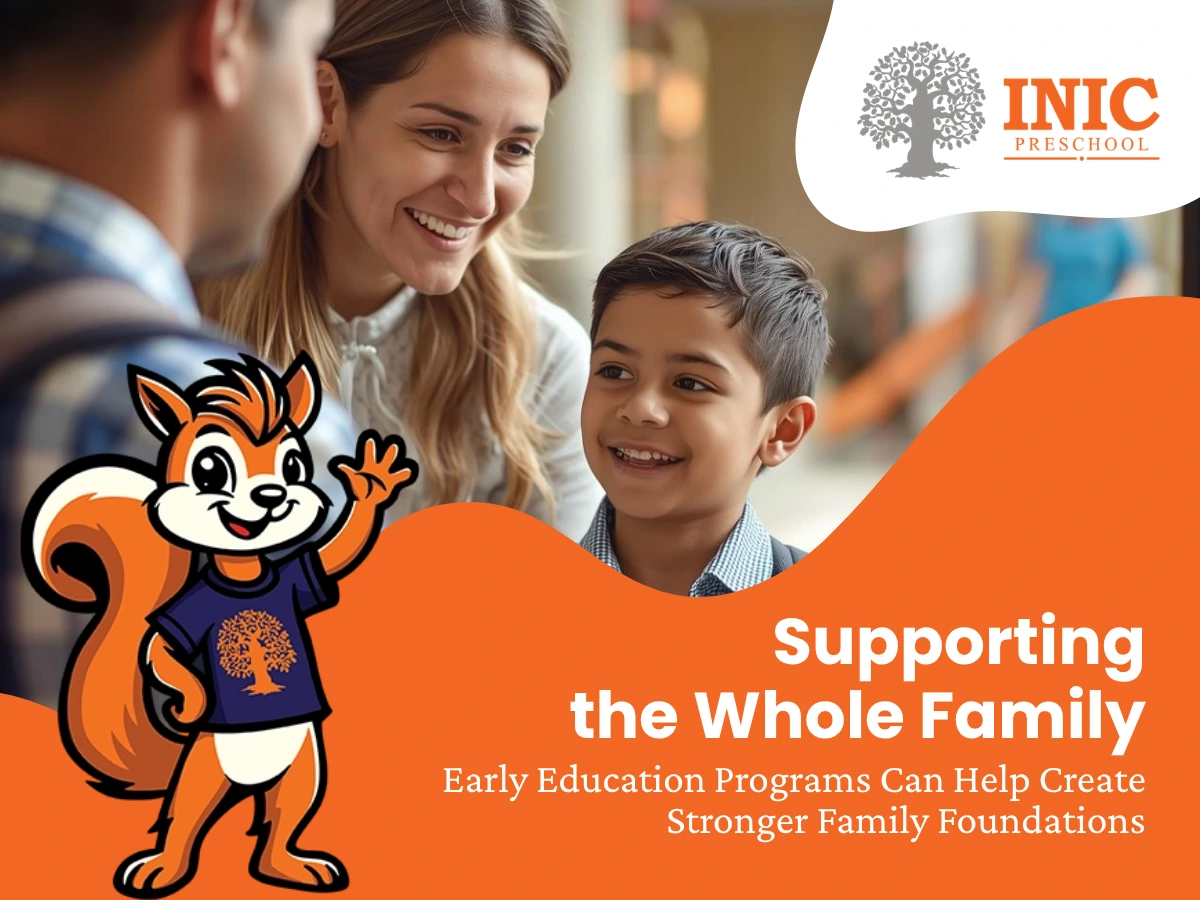 Early education programs can play an important role in supporting families during the years when children need the most consistent care, structure, and encouragement. While their primary focus is education and development, many programs also serve as trusted partners to parents navigating the demands of work, caregiving, and everyday family life. In this way, early education settings often become a steady source of guidance, connection, and practical support.
Creating a Reliable Foundation for Daily Life
For many families, a strong early education program brings stability to the day. Consistent schedules, dependable care, and open communication can make it easier for parents to manage responsibilities while knowing their child is in a safe and nurturing environment. This support may include:- Predictable routines that help children feel secure
- Clear communication with families about daily progress
- A welcoming environment built on trust and consistency
- Guidance that supports both learning and family engagement