What makes a private preschool different from daycare is often the depth of its educational focus, classroom structure, and long-term approach to early childhood development. While both settings provide care and support for young children, a private preschool program is typically designed to offer a more intentional learning experience that prepares children for future academic and social success.
Families often notice differences in curriculum, teacher guidance, daily routines, and enrichment opportunities. Understanding these distinctions can help parents choose an environment that not only meets their child’s care needs but also supports confidence, independence, and meaningful early learning.
Private Preschool Benefits In Early Childhood
Private preschool benefits in early childhood often go beyond simple supervision and daily care. During the early years, children are developing language, social awareness, confidence, and foundational learning habits at a rapid pace. A private preschool program is often designed to support that growth through intentional routines, guided activities, and a nurturing classroom environment. For families, this can mean choosing a setting that not only keeps children safe and cared for but also supports meaningful development that prepares them for future learning.
Early Learning Is Supported With Greater Intention
One of the most important benefits of a private preschool is its focus on purposeful early education. Children are introduced to age-appropriate activities that encourage curiosity, communication, and problem-solving while still honoring the needs of young learners. Rather than filling the day with care alone, the program is often structured to help children build:
- Early language and literacy skills
- Number awareness and critical thinking
- Social confidence and classroom participation
- Independence through daily routines
These skills create a strong developmental base during an important stage of growth.
A Supportive Environment Encourages The Whole Child
Private preschool programs often place strong value on emotional well-being, consistency, and teacher-child connection. Young children thrive when they feel secure, understood, and encouraged. In a well-planned preschool setting, that emotional support works alongside learning opportunities to help children feel confident exploring new ideas and participating in group experiences.
Early Benefits Can Have A Lasting Impact
The value of a private preschool experience is often seen in both the present and the future. Children can develop stronger routines, greater readiness for structured learning, and increased confidence in social settings. These early benefits matter because they influence how children approach school, relationships, and new challenges over time. For many families, a private preschool program offers a thoughtful start that supports early childhood development in a warm and meaningful way.
Structured Preschool Vs. Daycare Differences Explained
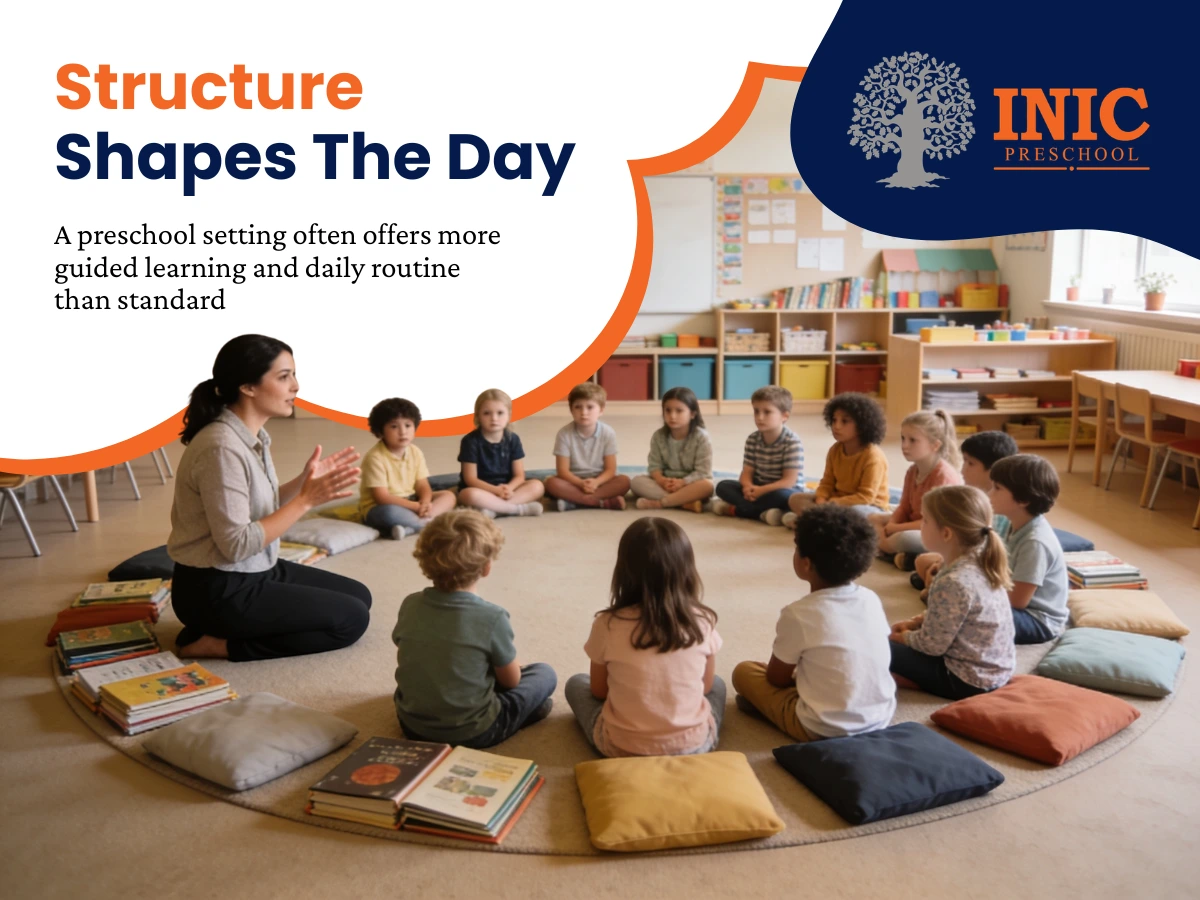
When families compare structured preschool and daycare, the difference often comes down to the program’s purpose. Both can provide care, support, and a safe place for children throughout the day. However, a structured preschool typically includes a stronger educational framework that guides early development more intentionally. Understanding these differences can help parents choose a setting that reflects both their practical needs and their long-term goals for their child.
A Structured Preschool Often Follows A More Intentional Daily Plan
In a preschool setting, the day is usually organized around routines and guided learning experiences that help children grow academically, socially, and emotionally. Activities are planned with developmental goals in mind, giving children regular opportunities to practice communication, cooperation, and independence.
A structured preschool day may include:
- Teacher-guided learning activities
- Group routines and transitions
- Story time, music, and hands-on exploration
- Social skill-building through shared experiences
This type of environment can help children become more comfortable with expectations and classroom participation.
Daycare May Focus More Broadly On Daily Care Needs
Daycare settings serve an important role for many families by providing dependable supervision, meals, rest time, and general support throughout the day. Some programs may include educational activities, but the overall structure is often less focused on school preparation and more centered on flexible care.
The Difference Often Lies In The Developmental Focus
The key distinction is not that one setting cares for children and the other does not. It is that a structured preschool often combines care with a more intentional approach to early learning. For families who want their child to benefit from guided development, consistent routines, and preparation for future classroom settings, this difference can be especially important. A clearer structure can help children build confidence, adapt to routines, and develop skills that support a smoother path into kindergarten and beyond.
Private Childcare Program Features Families Should Know
Private childcare program features can vary from one school to another, but many families are drawn to programs that offer more than care alone. In a private setting, parents often look for a balance of safety, structure, communication, and early learning support. These features can shape a child’s daily experience in meaningful ways and help families feel more confident in the environment they are choosing.
Strong Programs Often Blend Care With Purposeful Learning
A private childcare program may provide nurturing daily support while also creating opportunities for age-appropriate development. This means children are not only supervised but also guided through routines and activities that help them grow in confidence and ability. Depending on the program, families may find features such as:
- Structured classroom routines
- Teacher-led learning experiences
- Social interaction in a supportive setting
- Activities that encourage language, creativity, and independence
These elements can help children benefit from both care and consistent developmental support.
Family Communication And Classroom Environment Matter
Parents often value private childcare programs that maintain clear communication and a welcoming atmosphere. Knowing how the day is structured, how teachers interact with children, and how concerns are shared can make a meaningful difference for families. A calm, organized environment with attentive educators often helps children feel secure and supported while also building trust with parents.
Program Features Can Shape Long-Term Growth
The features families choose now can influence how children adapt, learn, and build confidence over time. A private childcare program with thoughtful routines, qualified teachers, and a clear developmental focus can support more than daily care needs. It can also help children strengthen social skills, independence, and readiness for future learning environments. For many families, those features make private childcare feel like an investment in both the present and the years ahead.
How A Private Preschool Program Supports School Readiness
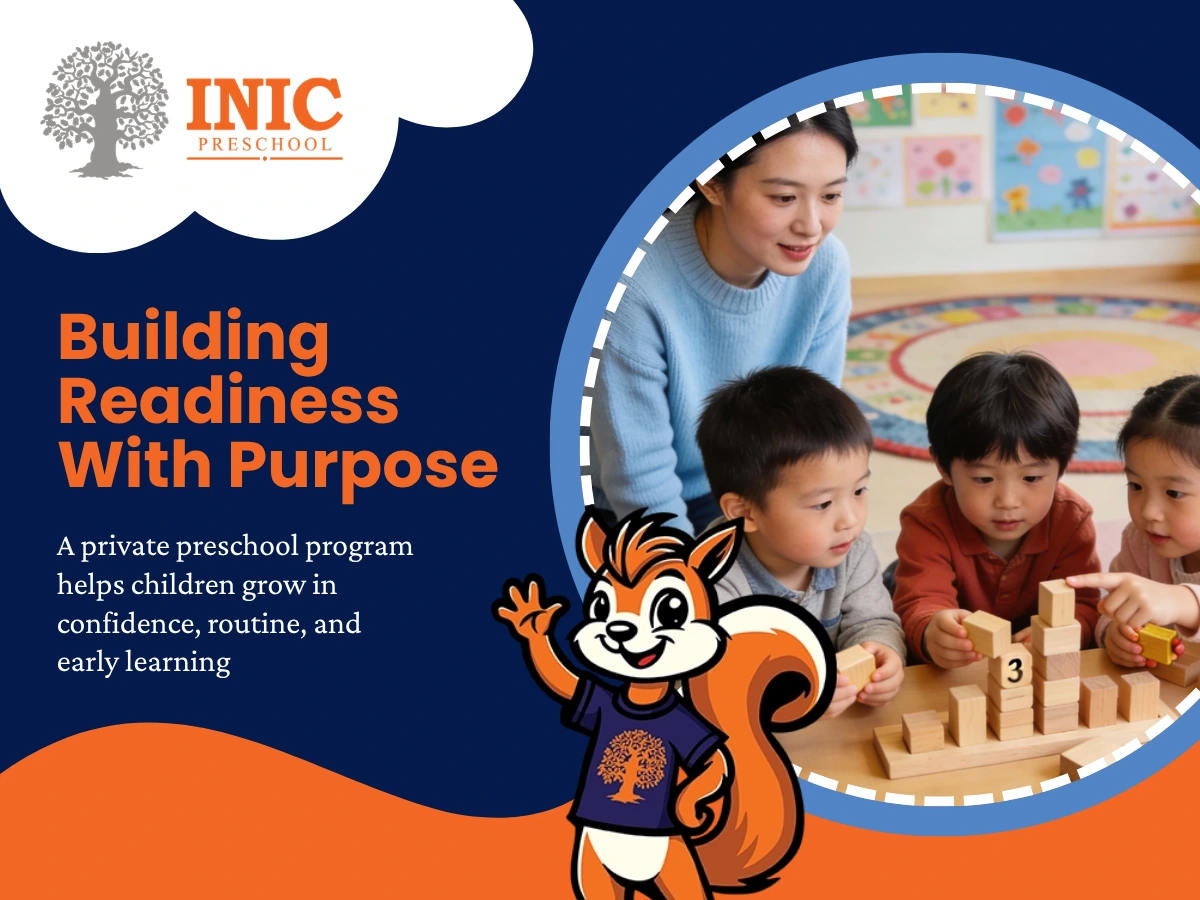
School readiness is about far more than learning letters and numbers. It reflects a child’s ability to follow routines, communicate clearly, participate in group settings, and approach new experiences with confidence. A private preschool program often supports these skills through a more intentional balance of academic, social, and emotional development. For families who want their child to feel prepared for kindergarten, this kind of structured early learning environment can offer meaningful advantages.
Children Build Foundational Skills Through Daily Structure
A private preschool program usually includes a consistent daily routine that helps children understand expectations and feel secure in their environment. This structure supports important habits that carry into elementary school, such as listening, transitioning between activities, and participating in teacher-guided instruction.
Within that routine, children often begin strengthening:
- Early literacy and language skills
- Number awareness and basic problem-solving
- Attention, memory, and task completion
- Independence in classroom routines
These early foundations help children enter school with greater comfort and confidence.
Social And Emotional Growth Matters Just As Much
Readiness also depends on how well children interact with others and manage the demands of a classroom setting. In a private preschool, children often have regular opportunities to practice sharing, taking turns, following directions, and expressing their needs appropriately. Teachers can guide these moments with consistency and care, helping children grow in self-regulation and peer relationships.
This support can help children become more prepared to:
- Join group activities
- Work cooperatively with classmates
- Adapt to classroom expectations
- Handle separation and new experiences more smoothly
A Thoughtful Preschool Experience Creates A Stronger Transition
When children are introduced to learning through a warm, well-planned preschool environment, the move into kindergarten often feels less overwhelming. They are already familiar with routines, classroom participation, and guided learning. That sense of familiarity can reduce anxiety and support a more positive start.
Conclusion
Choosing between a private preschool program and a standard childcare center often comes down to the kind of experience a family wants for their child each day. While dependable care is always important, many parents are also looking for a setting that supports early learning, confidence, independence, and school readiness in a meaningful way. A private preschool can offer that added layer of purpose through structured routines, guided learning, and thoughtful developmental support. When families understand these differences, they are better positioned to choose an environment that aligns with both their child’s current needs and long-term goals.
Explore a more intentional early learning experience by contacting INIC at (512) 435-7868 or visiting https://inic-edu.com/contact-us/.